
Bridging Health Gaps: Clinics On Cloud’s Revolutionary Path in African Healthcare
How a screening kiosk closes the gap between a symptom and a clinician in African health systems. Read the full Africa supplier and distributor guide.
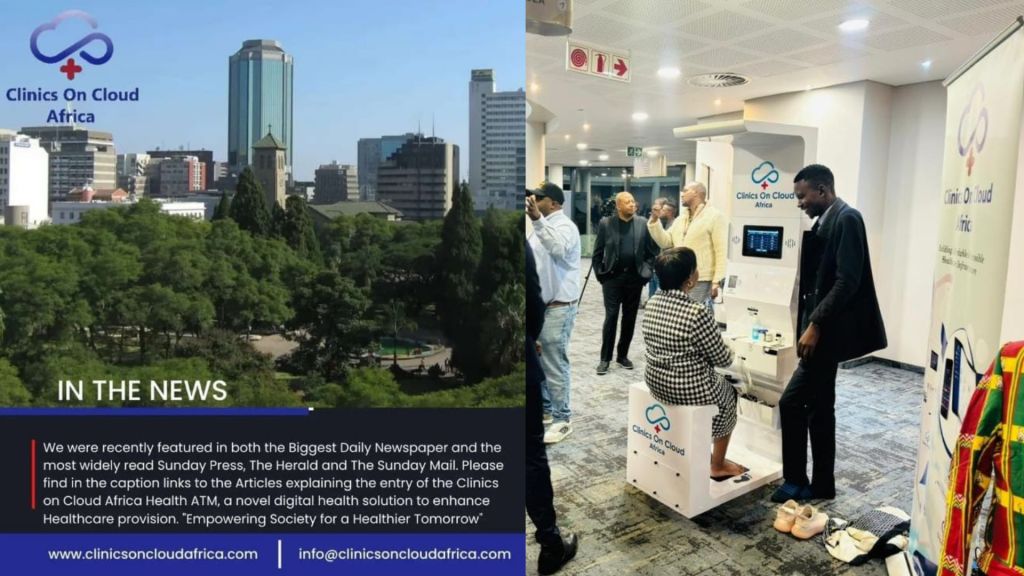
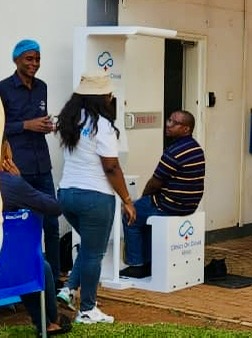
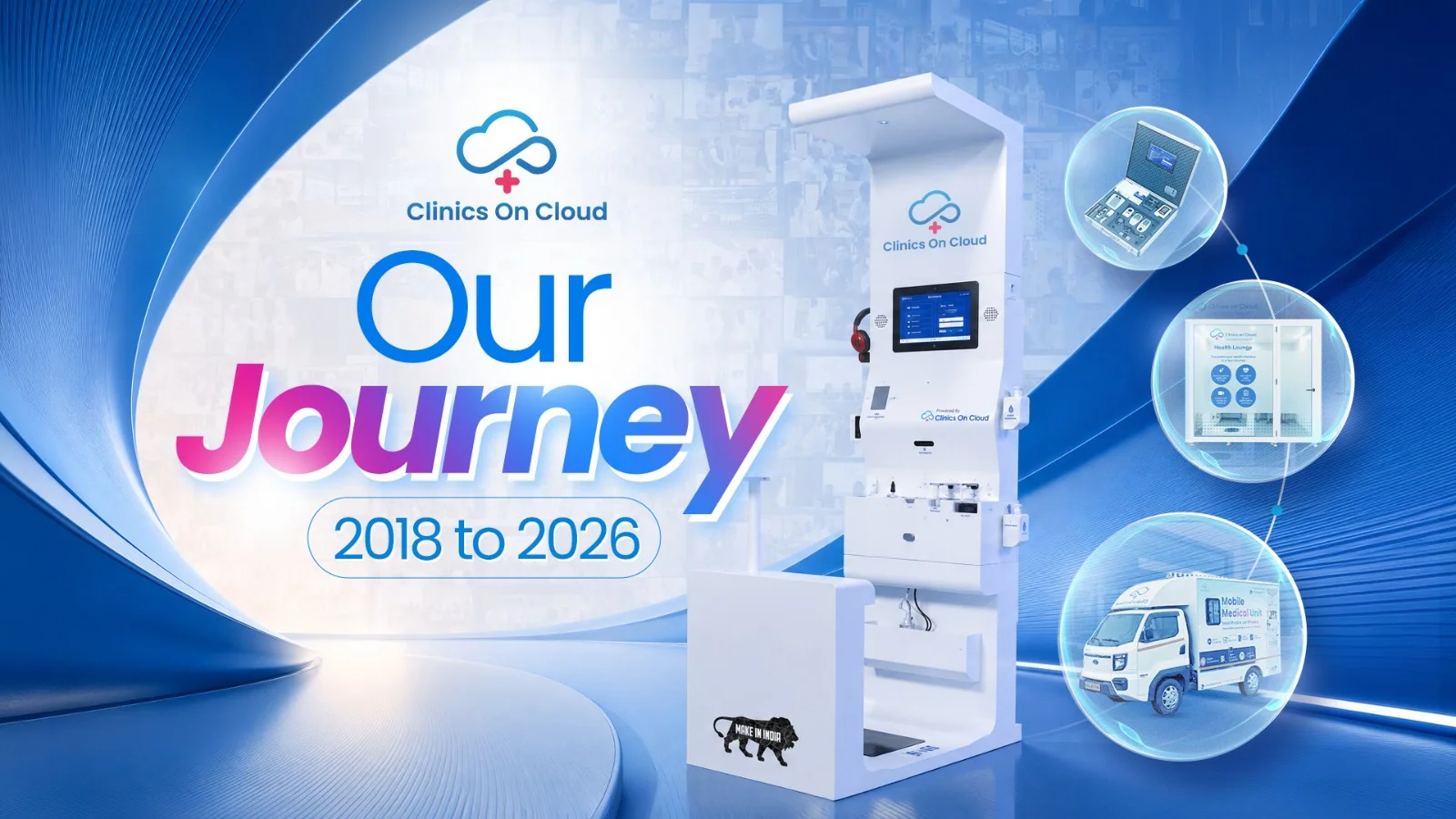
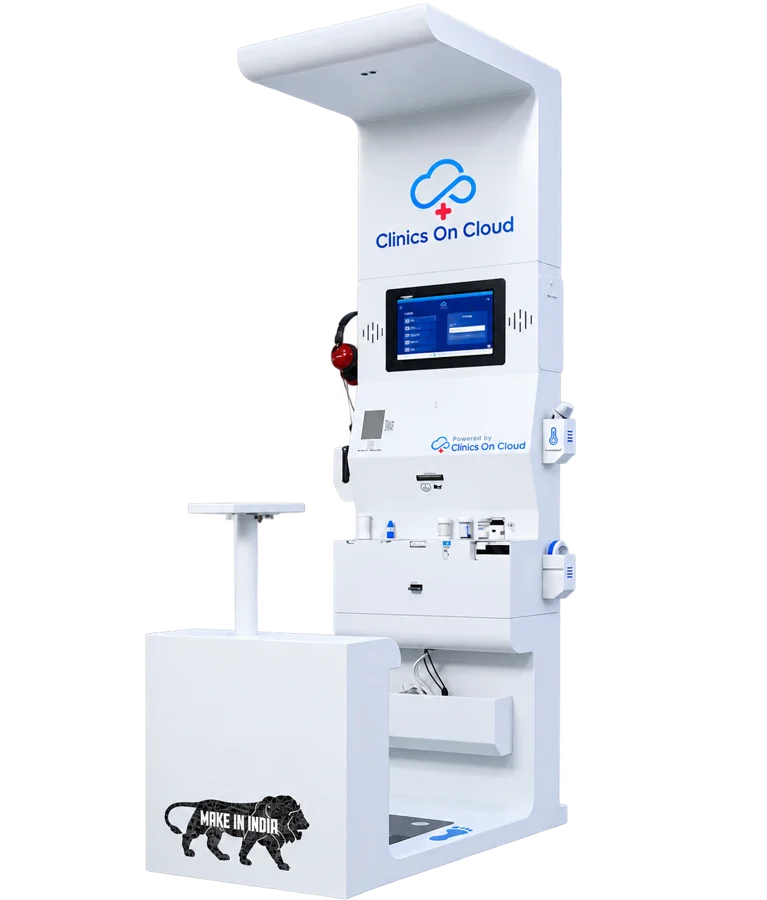
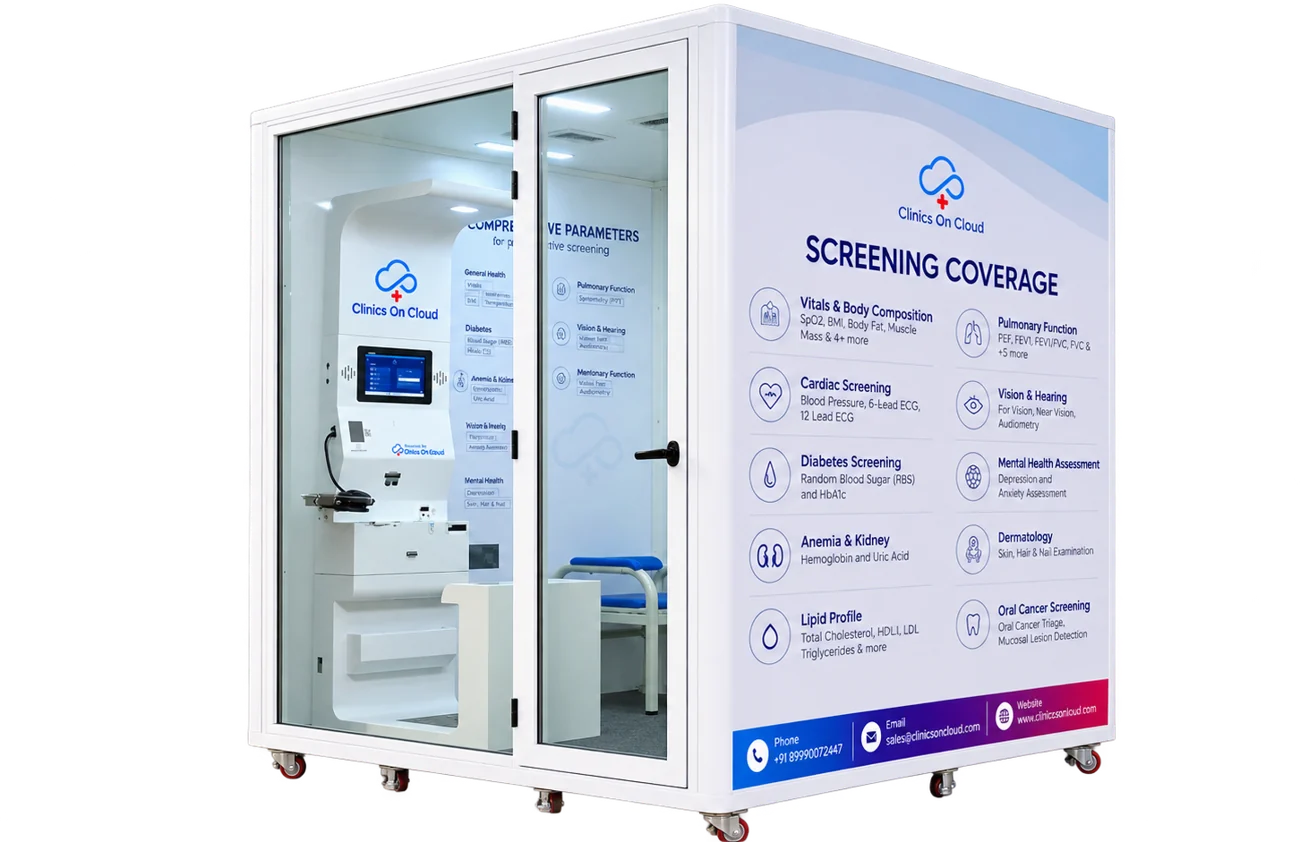
The healthcare gap a screening kiosk closes is the gap between the day a condition becomes detectable and the day a person finally sees a clinician. Clinics On Cloud Health ATMs capture 65+ clinical parameters across 14 specialties, work offline, and escalate only abnormal results to a doctor, so one clinician covers a much larger population across Africa.
Note: This is a short overview. The complete supplier, regulatory and procurement guidance is in the region-by-region guide to health kiosks in Africa.
Which gap are we actually talking about?
“Healthcare gap” is used loosely enough to mean nothing. It is worth separating the four gaps, because a kiosk closes one of them well, one partially, and two not at all.
The detection gap is the interval between a condition becoming measurable and someone measuring it. This is the gap a screening kiosk closes directly.
The triage gap is knowing which of a thousand people needs a clinician this week. A kiosk closes this partially, by flagging abnormal results and routing them.
The treatment gap is the availability of drugs, procedures, beds and clinicians once a person is identified. A kiosk does not close this. It can make it more visible, which is uncomfortable but useful.
The financing gap is who pays. A kiosk does not close this either. It changes the unit economics of screening, which is a different thing.
Being honest about that division is the whole point. A screening device oversold as a health system produces disappointed funders and abandoned equipment. A screening device sold as a detection and triage layer, feeding a referral pathway that someone else owns, is a durable piece of infrastructure.
Why detection is the binding constraint in low clinician-density settings
Where clinicians are scarce and distances are long, most first contacts with the health system happen late, when a person already feels unwell. The consequence is that the health system sees the advanced version of conditions it could have seen early.
A screening station changes this because it does not spend clinician time to produce a measurement. It spends clinician time only on the results that need it. Clinics On Cloud has screened 12M+ patients across its network on exactly that pattern, and 200,000+ abnormalities have been detected and routed for early intervention.
The kiosk itself needs no skilled operator. Sessions are driven by a multilingual touchscreen with voice guidance, which matters where reading levels vary and where the beneficiary population does not speak the official language of the country.
What makes a device survivable in an African deployment
Most kiosk projects fail on infrastructure, not on clinical capability. Four properties decide whether a unit is still working in year three:
- Offline operation. The Clinics On Cloud Health ATM completes a session, prints the report and stores the record without a live connection, then syncs when the network returns. Only live teleconsultation needs connectivity.
- Battery backup of 3–4 days. Enough to absorb load-shedding, generator gaps and rainy-season outages without losing screening days. It also makes solar-plus-battery workable, because multi-day storage tolerates cloudy weather.
- A rugged metal enclosure. Dust, transport over poor roads and unsupervised public siting are the normal conditions, not the exception.
- A consumables plan. Rapid-test and urine modules consume stock. Programmes that budget consumables only for the pilot stall in month four.
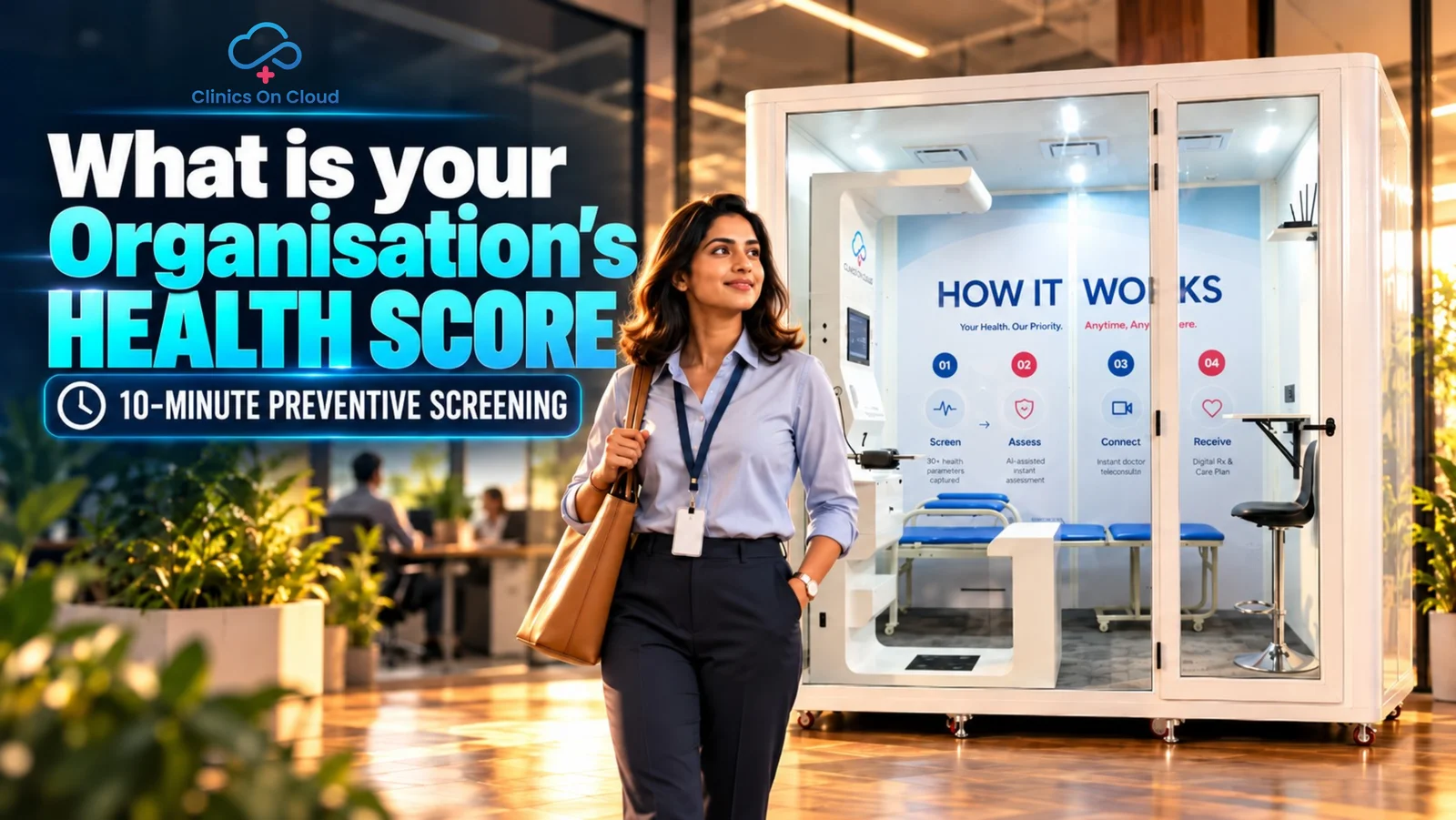
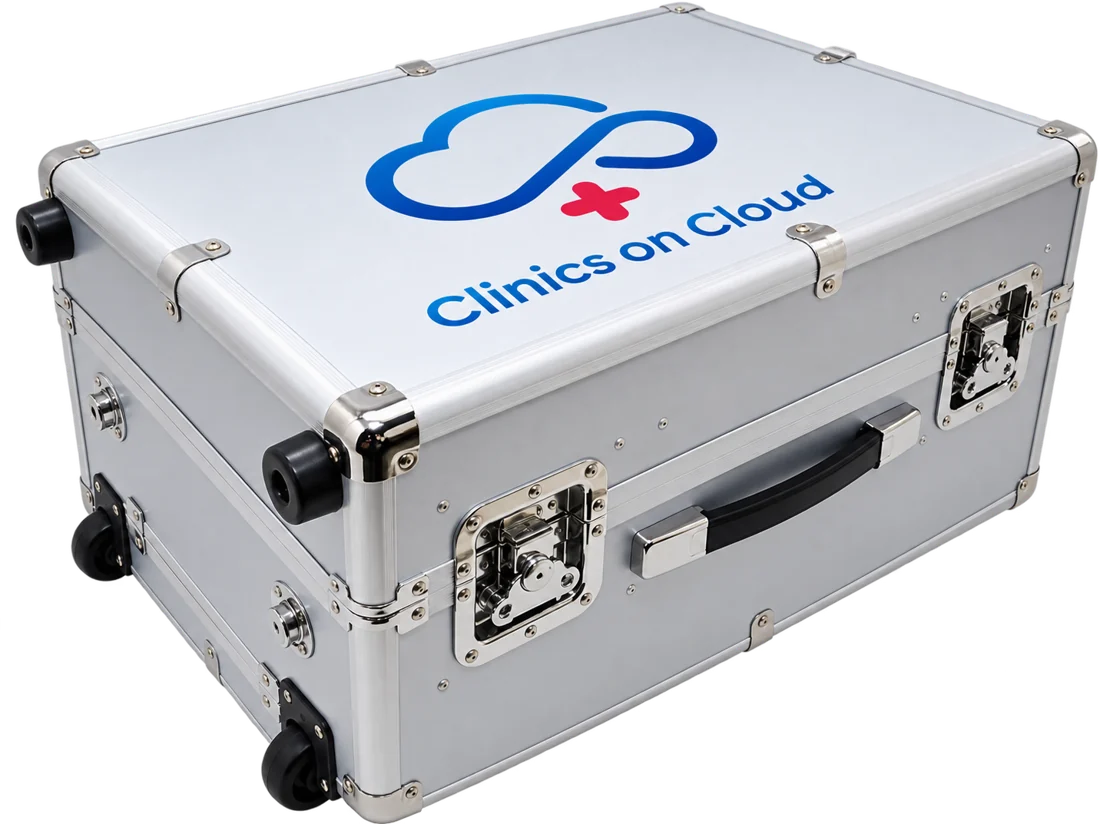
Where there is no building, the Box Clinic is the appropriate product rather than a fixed kiosk. Where a population is spread across a district, a Mobile Medical Unit running a circuit covers more people per unit.
Certification, and what Clinics On Cloud does not claim
Clinics On Cloud holds CDSCO licensing in India, ISO 13485 for medical-device quality management, US FDA and CE, plus ISO 27001, HIPAA compliance, GDPR compliance and VAPT testing.
Those are manufacturer credentials. They are not national approvals. Most African jurisdictions require separate medical-device registration filed by a locally licensed importer, plus import permits, and increasingly a data-protection and telemedicine review where identifiable records are stored. Clinics On Cloud does not claim regulatory approval in any specific African country and supports partners with the technical file rather than with a promise about a national register.
Who buys, and on what logic
Four buyer types dominate African deployments: ministries and public health departments through tender, NGOs and implementing partners through grant funding, development agencies and donors with heavy reporting obligations, and private employers in mining, agriculture, ports, manufacturing and retail pharmacy.
The private buyer usually moves fastest and sustains the programme longest, because that buyer funds the maintenance directly. The grant-funded buyer reaches more beneficiaries per rupee but must answer a question at design stage that is often deferred: who owns and funds this asset after the programme period ends.
The full treatment of procurement routes, regional buyer types, power planning and import pathways is in the region-by-region guide to health kiosks in Africa. For the parallel export picture in Asian markets, see health kiosks across Asia, and for manufacturer credentials see Clinics On Cloud as a Health ATM manufacturer.
To discuss a territory or a programme design, write to sales@clinicsoncloudafrica.com or call +27 69 194 3227. Specifications are on the Health Kiosk page.
Clinics On Cloud provides preventive health screening and is not a diagnostic laboratory. Screening results are indicative and are not a diagnosis. Always consult a qualified physician before acting on any health information.